
Popular Foundation Repair Products For Restoring Property Value
Choose from top products designed to repair foundation issues and enhance your home's overall worth.
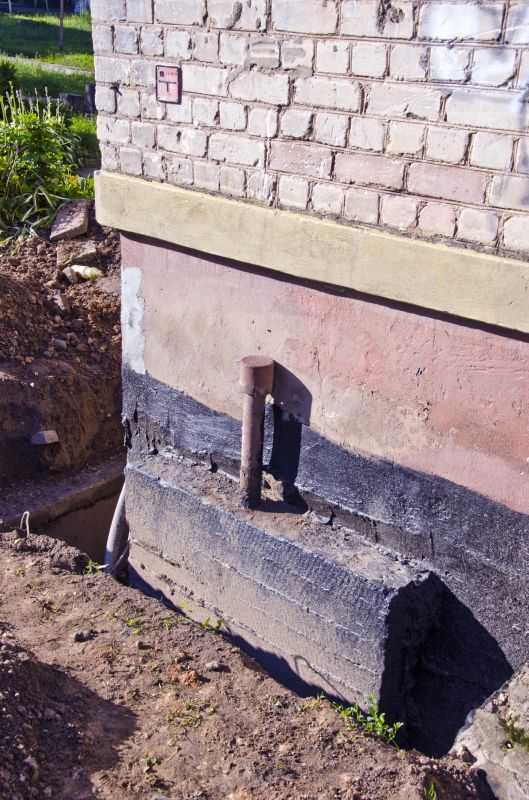 Foundation issues can pose significant challenges for homeowners, especially in areas prone to shifting soils or moisture fluctuations. Addressing these problems often requires specialized products designed to stabilize and reinforce the structural base of a building. When considering foundation repair options, it is essential to evaluate the variety of products available, each suited for different types of issues such as cracks, settling, or shifting. Proper selection and application of these products can help maintain the integrity of a structure and prevent further damage.
Top Overall Option
Hydraulic Push Piers
Hydraulic push piers are a versatile foundation stabilization solution that can be used to lift and support settled or shifting foundations. They are installed deep into stable soil layers beneath the foundation, providing a secure base that can help prevent further movement. These systems are often selected for their ability to be precisely installed and adjusted, making them suitable for a variety of foundation types and issues.
Types of Products For Foundation Repairs
Carbon Fiber Reinforcement Strips
Used to reinforce and stabilize cracked concrete walls, these strips are bonded to the surface to prevent further cracking and movement.
Epoxy Injection Kits
Designed to seal and bond cracks in concrete foundations, these kits help restore strength and prevent water infiltration.
Underpinning Piers
Supports and stabilizes foundations by extending the footing to deeper, more stable soil layers, often used in settling foundations.
Slab Jacking Materials
Used to lift and level sunken slabs, these materials typically include polyurethane foam or mudjacking compounds.
Helical Piles
Deep foundation supports screwed into the ground to stabilize and lift foundations, suitable for difficult soil conditions.
Foundation Crack Sealants
Flexible sealants designed to fill minor cracks and prevent water intrusion, helping maintain foundation integrity.
Soil Stabilization Grouts
Injectable grouts that strengthen loose or shifting soil beneath foundations, providing additional support.
Steel Push Piers
Support systems that are driven into the ground to lift and stabilize foundations, offering durable support.
Polyurethane Foam Injectors
Used for quick lifting and leveling of slabs and foundations by injecting expanding foam into voids.
Concrete Patching Compounds
Materials used to repair surface cracks and minor damage in concrete foundations, restoring surface integrity.
Drainage and Waterproofing Systems
Products designed to divert water away from foundations and prevent excessive moisture that can lead to shifting.
Anchor Bolts and Plates
Used to secure and reinforce foundation walls, especially in cases of lateral movement or cracking.
Soil Moisture Control Products
Systems that regulate soil moisture levels around the foundation to minimize movement caused by expansion or contraction.
Vapor Barriers
Installed beneath slabs or within crawl spaces to control moisture and reduce foundation stress.
Popular Choices
Widely used for their ability to lift and stabilize foundations with deep soil support, these are often in demand for settling structures.
Commonly selected for crack sealing and structural reinforcement, these kits are popular for minor to moderate foundation cracks.
Favored for quick lifting and leveling of slabs, these foam injection products are frequently used in residential repairs.
A durable support option for lifting and stabilizing foundations, often chosen for their strength and adjustability.
Popular for reinforcing cracked basement walls, these strips help prevent further cracking and movement.
Used to lift sunken concrete slabs, these foam materials are a common choice for leveling patios and driveways.
Widely used to seal minor cracks and prevent water intrusion, these sealants are a staple in foundation maintenance.
Effective water diversion products are frequently installed to protect foundations from water-related issues.
Often chosen for their ability to support difficult soil conditions, these piles are a common solution for deep stabilization.
Applied to exterior or interior foundation surfaces, these membranes help prevent water infiltration and related damage.
Foundation repair products come in many forms, including injectables, underpinning systems, and stabilization supports. These products are engineered to work with different foundation types, whether concrete, pier, or slab. The right choice depends on the specific problem, the extent of damage, and the soil conditions in the location. It is often recommended to consult with a foundation specialist to determine the most appropriate solutions.
In addition to structural reinforcements, some products focus on waterproofing and moisture control, which can indirectly support foundation stability. For homeowners in Belleville, IL, where soil conditions can vary, selecting versatile and adaptable repair products is crucial. Proper installation and ongoing maintenance are also vital to ensure long-term performance. By understanding the options available, property owners can make informed decisions to safeguard their investments and maintain the safety of their homes.
While DIY solutions exist, many foundation repair products require professional expertise for optimal results. This ensures that the product is applied correctly and that the underlying issues are thoroughly addressed. Investing in quality products and professional guidance can help achieve more reliable and durable repairs, ultimately preserving the value and safety of the property.
Key Buying Considerations
- Assess the specific foundation issue and determine if the problem is structural or minor cracking.
- Identify the type of foundation (slab, basement, pier and beam) to select compatible repair products.
- Consider the soil conditions and moisture levels in your area to choose appropriate stabilization methods.
- Evaluate the extent of damage or settling to determine whether a repair product is sufficient or if professional intervention is needed.
- Check the compatibility of repair products with existing foundation materials such as concrete or masonry.
- Review the installation requirements and whether professional assistance is recommended or necessary.
- Look for products with proven durability and suitable load-bearing capacities for your specific needs.
- Consider the long-term maintenance and potential need for ongoing inspections or treatments.
- Research the product’s ease of application, especially if considering DIY options.
- Ensure that the chosen products meet local building codes and regulations.
- Evaluate the potential for water or moisture infiltration and select products that address these issues.
- Balance cost with quality to ensure effective and lasting repairs without overspending.
- Read customer reviews and seek expert advice when possible to validate product effectiveness.
- Determine if the product provides flexibility for future repairs or adjustments.
- Consider environmental factors such as soil stability and drainage around your property.